The Lemon That Charmed Its Way Into Every American Kitchen: A Love Letter to the Meyer
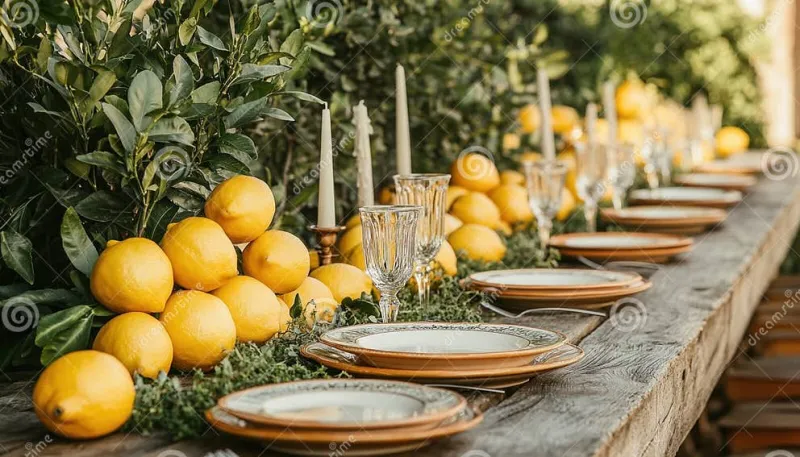
Photo: fresh Meyer lemons halved on rustic wooden table with blossoms, via thumbs.dreamstime.com
Somewhere between the lemon bars your aunt brings to every potluck and the fancy restaurant menu that says "Meyer lemon posset" without explanation, a quiet citrus revolution happened. The Meyer lemon — once an ornamental oddity that most Americans had never tasted — is now arguably the most beloved citrus in the home baking canon.
How did a fruit that can't survive a supermarket shipping schedule become America's sweetheart? Pull up a chair. This is a story worth savoring.
From Peking Ornamental to California Cult Classic
The Meyer lemon isn't a "true" lemon at all. It's believed to be a natural hybrid of a lemon and a mandarin orange, named for Frank N. Meyer, a USDA plant explorer who collected a specimen in China around 1908. In its homeland, it was grown mostly as an ornamental — a pretty potted plant, not a pantry staple.
For decades, that's roughly how it stayed in America, too: a backyard curiosity in California and the Gulf South, too delicate to ship commercially. Thin-skinned, bruise-prone, and perishable, the Meyer was a farmer's market fruit decades before farmers markets were cool.
Then two things changed. First, Martha Stewart started name-dropping Meyers in the 1990s, and suddenly the fruit had a publicist. Second, the citrus industry's struggles with canker and greening in Florida opened the door for smaller California growers to sell directly to chefs, co-ops, and — eventually — the internet.
"People taste a Meyer for the first time and their whole face changes," says Dana Whitfield, a second-generation grower outside Ojai, California, whose family tends about 900 Meyer trees. "They expect sour. They get this floral, almost mandarin sweetness. There's no acid punch to brace for. It's a lemon that wants to be your friend."
That friendliness is the whole point. Meyers carry less acid and more aromatic sugar than Eurekas or Lisbons, which makes them forgiving in the kitchen — and nearly impossible to ruin.
Why Bakers Are Obsessed
Ask any pastry person why they reach for Meyers and you'll hear a version of the same answer: they behave.
- The juice is mellow. You can use it in curds and custards without the harsh bite that sometimes makes standard lemon desserts taste one-note sharp.
- The zest is fragrant. Meyers have a soft, almost perfume-like oil in the peel — think lemon crossed with a tangerine blossom.
- The peel is thin and edible. No thick pith to fight through, which means whole-fruit recipes (candied slices, marmalade, olive oil cake with macerated lemons) become effortless.
- It plays well with others. The subtlety means it won't bulldoze vanilla, honey, or stone fruit in a recipe.
Whitfield's advice for choosing a good one: "Weight matters more than looks. A heavy Meyer with slightly soft skin is a juicy Meyer. And don't be scared of the color — a deep golden-orange Meyer is a ripe Meyer, not a bad one."
Three Recipes Worth Clearing a Saturday For
1. Meyer Lemon Olive Oil Cake
The weeknight-hero dessert. Whisk 1 ¾ cups flour with ¾ cup sugar, 1 teaspoon baking powder, and a pinch of salt. In another bowl, beat 3 eggs with ¾ cup good olive oil, the zest and juice of 2 Meyers, and ½ cup whole milk. Fold wet into dry, pour into a greased 9-inch pan, and bake at 350°F for 40–45 minutes. Finish with a warm glaze of Meyer juice and powdered sugar. The crumb stays moist for days — if it lasts that long.
2. Honeyed Meyer Lemon Curd
Standard curd recipes can be puckeringly tart. Meyers let you pull back on the sugar and let honey do some of the sweetening. Whisk 3 whole eggs plus 1 yolk with ½ cup honey, the juice and zest of 3 Meyers, and a big pinch of salt in a double boiler. Stir in 6 tablespoons butter, one knob at a time, until the curd coats the back of a spoon — about 8–10 minutes. Jar it, chill it, and spend the week eating it off a spoon standing in front of the fridge like the rest of us.
3. Candied Meyer Slices
Because the peel is so thin, Meyers candy beautifully. Slice 2 lemons into thin rounds, simmer gently for 10 minutes to soften, then poach in a 1:1 simple syrup over low heat for about 40 minutes until translucent. Drain on a rack, dust with sugar, and use them to crown everything from cheesecake to a Negroni. The leftover syrup? That's your new cocktail base. You're welcome.
A Few Pro Moves
- Room temperature is non-negotiable when you need maximum juice — roll the lemon under your palm first, too.
- Zest before you juice. Always. Future you will be grateful.
- Meyers ripen from November through spring in most of California, so winter is actually peak lemon dessert season. Lean into it.
- Freeze the juice in ice cube trays when you've overbought. Meyer season is short; your cubes don't have to be.
The Meyer lemon never asked to be America's darling. It was too delicate for the supermarket, too soft for the shipping crate. But maybe that's exactly why we love it — a fruit that demands to be eaten close to home, in season, in something sweet. In a world of year-round everything, that's not a flaw. That's the whole charm.