Peel, Pith, Seed, Repeat: 7 Ways to Use Every Last Bit of Your Citrus (Plus 3 Ingredients You Never Knew You Were Throwing Away)

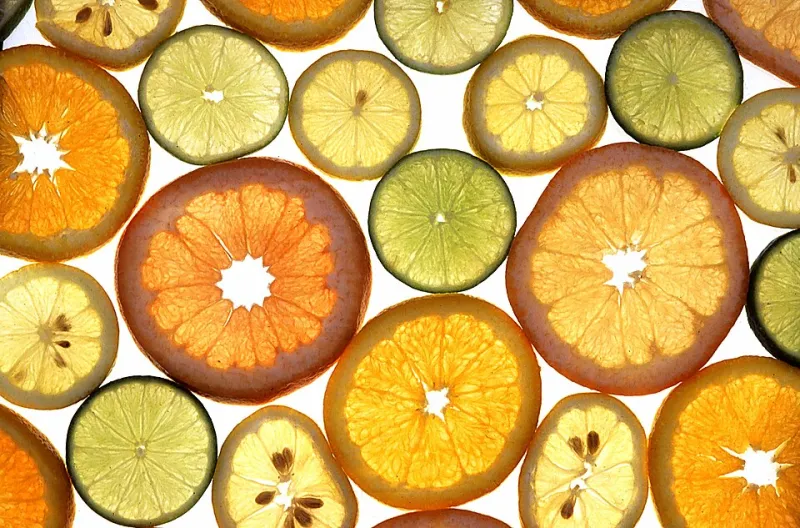
Photo: Marty B from United States of America, CC BY-SA 2.0, via Wikimedia Commons
Let's talk about the citrus lifecycle in most American kitchens. You buy a bag of lemons, squeeze them into something, and the hollowed-out halves go directly into the trash. Maybe you zest first if you're feeling ambitious. But everything else — the pith, the seeds, the oils still clinging to the peel — heads to the landfill without a second thought.
Here at The Citrus Bee, we think that's a missed opportunity of genuinely fragrant proportions. The whole citrus fruit is useful. Not in a hair-shirt, eat-your-broccoli-stems kind of way — in a "wait, this is actually delicious and also my bathroom smells incredible" kind of way. Here's how to use every last bit.
First: The 3 Citrus Ingredients You're Definitely Throwing Away
Before we get into the how, let's establish the what. These three parts of your citrus fruit are almost universally discarded and almost universally useful:
1. The Seeds Citrus seeds — especially from lemons, limes, and grapefruit — contain high concentrations of pectin, the natural gelling agent used in jams and preserves. They also contain limonene and other aromatic oils. Collected and simmered, they become a natural thickener. Dried and ground, they add a subtle bitter complexity to spice blends. We'll get into the specifics below.
2. The Pith That white, spongy layer between the peel and the flesh gets a bad reputation for being bitter and useless. But the pith is where a significant concentration of hesperidin (a powerful bioflavonoid) lives, and when treated correctly — blanched to reduce bitterness, then candied or incorporated into marmalades — it transforms into something genuinely wonderful. It also contains pectin, making it a natural thickening agent.
3. The Spent Halves After juicing, what you have left is a fiber-rich, oil-containing shell that still has plenty of life in it. The oils in the peel don't fully release during juicing, which means your "used" lemon halves are still powerfully fragrant and chemically useful.
Now, let's put all of it to work.
1. Make Citrus-Infused Cleaning Spray (Spent Halves + Vinegar)
This one is almost absurdly easy and genuinely effective. Pack a glass jar with spent citrus halves — lemons, oranges, limes, whatever you've got — and cover completely with white distilled vinegar. Seal and let it sit for two weeks in a cool, dark spot. Strain, dilute 1:1 with water, and transfer to a spray bottle.
The limonene in the citrus peel is a natural degreaser and antimicrobial agent — the same compound used in commercial citrus-based cleaners, just without the synthetic additives. It cuts through kitchen grease beautifully and leaves surfaces smelling like a Florida grove rather than a chemical plant. Use it on countertops, stovetops, and sinks. (Note: not recommended for natural stone surfaces like marble or granite, which are sensitive to acid.)
2. Candy Your Peels (Whole Peel, Pith Included)
Candied citrus peel is one of those old-school techniques that deserves a full revival. It's not complicated, it's endlessly versatile, and it turns something you'd throw away into a pantry staple that costs real money at specialty food stores.
Cut peels into strips, blanch them in boiling water three times (changing the water each time — this is what tames the bitterness), then simmer in a simple syrup of equal parts sugar and water until translucent. Drain, toss in granulated sugar, and dry on a rack overnight. Use them to garnish cocktails, fold into biscotti, top a cheesecake, or just eat them straight from the jar. They keep for weeks.
3. Brew a Peel-Based Simple Syrup for Cocktails and Mocktails
Skip the blanching step and go straight to flavor extraction: simmer fresh or dried citrus peels in simple syrup for 20 minutes, then strain and cool. What you get is a deeply aromatic, slightly bitter-sweet syrup that makes every cocktail and mocktail more interesting than the standard version.
Blood orange peel syrup in a sparkling water with a splash of lime? Genuinely stunning. Grapefruit peel syrup in a paloma? You'll never go back. Meyer lemon peel syrup stirred into iced tea? Perfect. The peel contains aromatic compounds that juice simply doesn't, and this is the most direct way to capture them.
4. Turn Seeds into a Natural Pectin Pouch for Jams
If you make jam or preserves at home — or want to start — citrus seeds are your secret weapon. Collect them in a small muslin bag or cheesecloth bundle and add it to your pot while your jam cooks. The seeds release pectin as they simmer, naturally thickening your preserves without the need for commercial pectin powder.
This works especially well with low-pectin fruits like strawberries, peaches, and cherries. Save seeds in a small container in your freezer as you use citrus throughout the week, and you'll always have a natural thickener on hand come jam-making season.
5. DIY Citrus Salt (Zest Before You Juice)
This one requires planning ahead, but the payoff is enormous. Before juicing any citrus, zest it first. Combine the fresh zest with coarse sea salt at roughly a 1:4 ratio (zest to salt), spread it on a parchment-lined sheet, and let it air dry for 24 hours. The result is a citrus-infused finishing salt that elevates everything from grilled fish to avocado toast to the rim of a margarita glass.
Lemon salt, lime salt, and orange salt each have distinct personalities. Make a small batch of each and store in small jars — they last for months and make genuinely thoughtful gifts.
6. Make a Citrus Face Mask with Leftover Juice and Pith
The same antioxidants and natural acids that make citrus nutritionally valuable also make it useful in basic skincare. A simple brightening mask: mash the remaining pith from a lemon or orange half with a teaspoon of raw honey and a tablespoon of plain yogurt. Apply to clean skin, leave for 10 minutes, and rinse with cool water.
The natural alpha-hydroxy acids in citrus gently exfoliate, the honey is antimicrobial and humectant, and the yogurt provides lactic acid and probiotics. It's not a replacement for your dermatologist, but it's a genuinely pleasant weekly treatment that costs essentially nothing.
Note: Do a patch test first, and don't go out in direct sun immediately afterward — citrus can increase photosensitivity.
7. Simmer a Stovetop Potpourri
The least utilitarian and most purely enjoyable use of citrus scraps: the stovetop potpourri. Fill a small saucepan with water, add spent citrus halves, a cinnamon stick, a few whole cloves, a sprig of rosemary if you have it, and a splash of vanilla extract. Simmer on the lowest heat, adding water as needed.
Your home will smell like a very sophisticated holiday candle for hours. It's the kind of thing that makes guests ask what you're baking when you're not baking anything. Save spent citrus halves in the freezer specifically for this purpose — it's a genuinely lovely ritual.
The whole point of zero-waste cooking isn't deprivation — it's resourcefulness. It's the satisfaction of knowing that the bag of lemons you bought did more than flavor one pitcher of water before heading to the landfill. Citrus, it turns out, is one of the most generous ingredients in the kitchen. You just have to let it show you everything it's got.