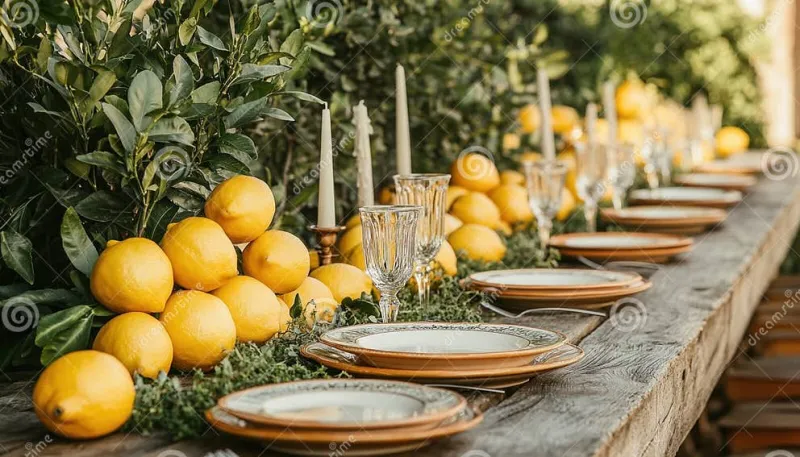
Grow Your Own Grove: 10 Citrus Trees That Can Handle an American Backyard (Yes, Even Yours)
Let's kill the myth right up front: you do not need to live in Ventura County to grow citrus. You need a tree that matches your climate, a little strategy, and — for about half the country — a plan for winter. That's it.
The secret most nurseries don't advertise is that citrus comes in two flavors of tough: naturally cold-hardy varieties that shrug off the teens, and dwarf rootstocks that turn any lemon or lime into a portable container plant. Combine the two approaches and suddenly the citrus map covers a lot more of the U.S. than the grocery store would have you believe.
Here are ten trees that earn their spot.
First, Know Your Zone
Before you buy anything, find your USDA hardiness zone (the USDA's online map takes thirty seconds). The rough rules:
- Zones 9–11: In-ground citrus, plant freely. You're in citrus country.
- Zone 8: Possible in-ground with cold-hardy varieties and a sheltered, south-facing spot.
- Zone 7 and colder: Container life. Your tree summers outside and winters indoors or in a garage.
The Ten Trees
1. Satsuma Mandarin (Zones 8b–10)
The undisputed champion of cold-hardy edible citrus. Mature trees handle brief dips into the low 20s, and the fruit is seedless, easy to peel, and famously sweet. Gulf Coast gardeners from Louisiana to northern Florida have built entire backyard traditions around them. If you can grow only one in-ground citrus in a marginal zone, this is it.
2. Kumquat (Zones 8b–10)
The toughest of the bunch — established kumquats can survive the mid-teens. Bonus: you eat the whole fruit, skin and all, and that sweet peel-bitter flesh combo is a revelation. 'Meiwa' is the variety to seek out if you want less tartness.
3. Meyer Lemon (Zones 9–10, container anywhere)
Not a true lemon, but a lemon-mandarin hybrid — which is exactly why it's sweeter, more fragrant, and hardier than the Eureka at the store. In containers, it fruits reliably even in northern climates. The gateway drug of home citrus.
4. Calamondin (Zones 9–10, container anywhere)
A kumquat-mandarin hybrid that produces small, ornamental, wonderfully sour fruits year-round. It's also among the easiest container citrus to keep alive, tolerating indoor winter life better than almost anything else on this list.
5. Improved Meyer on Dwarf Rootstock (Zones 4–10 in pots)
Yes, a second Meyer — but this entry is about the rootstock. Grafted onto dwarfing root like flying dragon, a Meyer stays 4–6 feet tall, fruits heavily, and lives happily in a 15-gallon pot on a Chicago balcony. This is the Ohio answer.
6. Yuzu (Zones 7b–10)
The cold-hardiness sleeper hit. This Japanese citrus survives into the teens and produces the intensely aromatic fruit prized by chefs — the one behind yuzu kosho and fancy vinaigrettes. Slow to fruit (be patient; think 5+ years), but absolutely worth it for adventurous cooks.
7. Bearss Lime (Zones 9–10, container anywhere)
The classic seedless Persian lime. Not cold-hardy at all — but it's vigorous, productive, and thrives in a pot you wheel into the garage each November. Fresh lime for your gin and tonics, grown by you.
8. Nagami Kumquat on Dwarf Rootstock
The container specialist's kumquat. Compact, nearly thornless, and decorative enough to double as a patio ornamental, it produces bright orange winter fruit right when your garden needs a shot of color.
9. Blood Orange (Zones 9–10)
'Moro' and 'Tarocco' need real heat to develop their deep raspberry-red flesh, so this one's for Gulf South, desert Southwest, and California growers. The payoff — a winter-ripening orange that looks like a sunset inside — is unmatched.
10. Finger Lime (Zones 9–11, container anywhere)
The Australian "caviar lime," producing juice vesicles that pop like citrus pearls. It's frost-tender and fussy, which lands it firmly in container territory for most growers — but nothing else on this list turns a salad into a conversation piece.
Container Care: The Short Version
Growing citrus in a pot isn't harder — it's just different. The essentials:
- Big drainage. Use a large pot with real drainage holes and a fast-draining mix (cactus mix amended with compost works well).
- Sun worship. Citrus wants 8+ hours of direct light. A south-facing patio or a grow light by a window in winter.
- Water by weight. Lift the pot. Light? Water deeply. Heavy? Wait. Overwatering kills more container citrus than cold does.
- Feed little and often. A citrus-specific fertilizer with micronutrients, applied monthly during the growing season, keeps leaves deep green and fruit coming.
- Bring it in before frost. A garage, sunroom, or bright spare room at 40–60°F is ideal for dormancy. Water sparingly all winter.
Realistic Expectations (and Timelines)
Here's the honest part nobody puts on the plant tag:
- Container Meyer or calamondin: first fruit in 1–2 years.
- Satsuma in the ground: 3–4 years to a meaningful crop, 7–8 to a full harvest.
- Yuzu: 5+ years, no shortcuts, worth the wait.
One more thing: buy from a reputable nursery that certifies its stock. Citrus greening and canker are real threats to America's groves, and buying disease-free trees from certified growers is the single most sustainable choice you can make — for your yard and for the growers who feed the rest of us.
Start with one pot. Get through one winter. Then, when you're squeezing juice from a lemon you grew in a state where lemons aren't supposed to grow, you'll understand why backyard citrus people can't stop talking about it.