Nobody Pours Orange Juice at 7 A.M. Anymore — And That Says Everything About Us
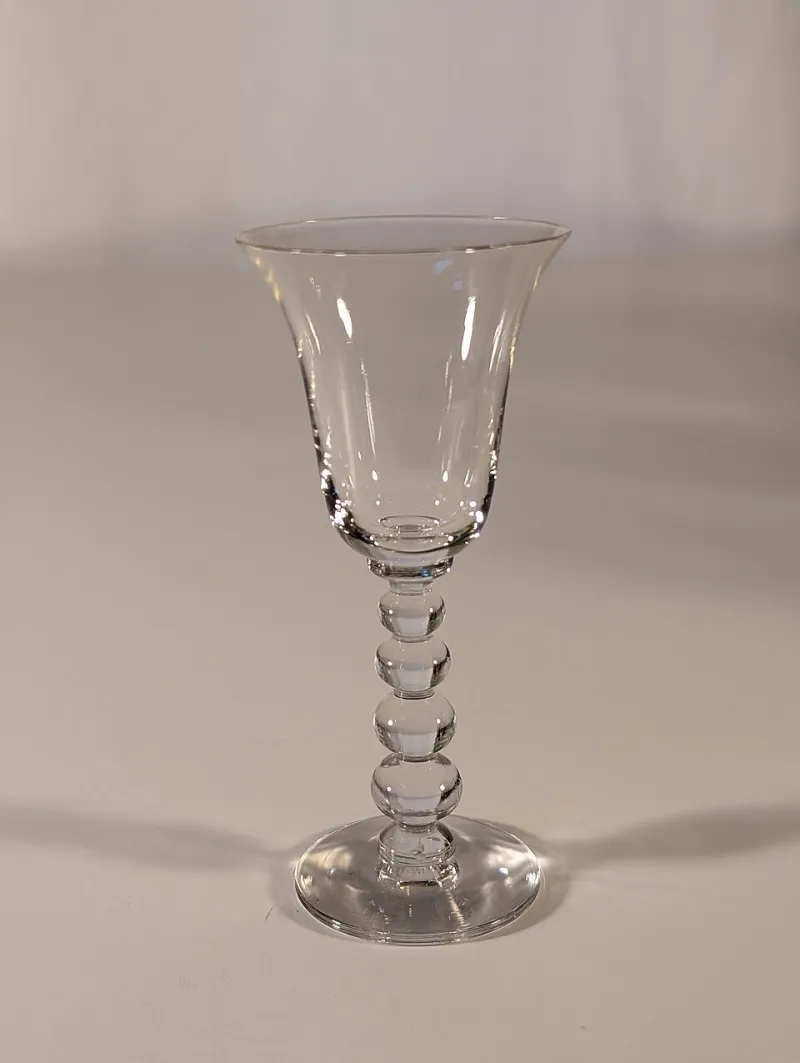
Photo: オンゲェウェ美幸 / Miyuki Ongewe, CC BY-SA 4.0, via Wikimedia Commons
There was a time — and if you're over forty, you lived it — when a proper American breakfast had a dress code. Eggs, toast, bacon arranged just so, and a tall, sweating glass of orange juice standing at attention like the world's most cheerful sentry. The OJ wasn't optional. It was the punctuation mark at the start of the day.
Walk into a brunch spot in Portland or Austin today and that sentry has been replaced by a $12 cold-pressed blend in a glass bottle with a minimalist label and a name like "Golden Hour." Something big happened. And it's worth asking what, exactly.
The Ritual That Advertising Built
Here's the uncomfortable truth: the great American OJ habit was manufactured. Not the juice — the ritual.
In the early twentieth century, oranges were a luxury. You'd find them in Christmas stockings, not on the everyday table. The industry needed to change that, and it did so with one of the most successful marketing campaigns in food history. Florida growers, facing a mid-century glut of fruit, leaned hard into the idea that orange juice wasn't a treat — it was a health obligation. Vitamin C became the nutrient every mother was duty-bound to deliver. Frozen concentrate made it cheap, and the message made it mandatory.
By the 1960s, orange juice wasn't just on the breakfast table. It was the breakfast table's moral center. A glass of OJ meant you were taking care of your family. It meant sunshine in a climate that might not have any. It meant modernity — a juice hall in every kitchen, courtesy of the freezer aisle.
The genius of it was that the product was doing double duty: selling citrus, yes, but also selling an identity. You weren't drinking juice. You were being a good American parent.
So What Happened?
The ritual didn't collapse overnight. It eroded, slowly, from three directions.
First, the sugar conversation caught up with it. A glass of juice, nutritionists pointed out, delivers the sugar of several oranges with none of the fiber — and suddenly the health halo started to tarnish. The very argument that built OJ's empire was the one that began dismantling it.
Second, convenience moved on. Juice requires a glass, a pour, a cleanup. A protein bar requires a hand. The modern morning doesn't have room for ceremony.
Third — and this is the part I find most interesting — we stopped trusting the middleman. Concentrate, pasteurization, "from concentrate," "not from concentrate," juice cocktails: decades of processing left consumers unsure what was actually in the carton. Trust, once spent, is hard to buy back.
The Craft-Citrus Counterrevolution
But here's where the story takes a turn the Florida growers of 1955 wouldn't recognize. Orange juice didn't die. It went artisanal.
Cold-pressed juice bars, once the punchline of wellness culture, are now a billion-dollar industry. Small Florida and California growers are selling single-varietal juices — think Hamlin, Valencia, blood orange — direct to consumers, often with the tree, the grove, and the harvest date printed right on the label. Farmers markets sell juice the way they sell honey: by provenance, by story, by season.
In other words, we didn't fall out of love with citrus. We fell out of love with anonymity. The same impulse driving people to know their coffee farmer and their cheese monger eventually arrived at the juice glass.
And honestly? That feels like progress. The old OJ ritual asked us to take a health claim on faith. The new one hands us a grove name and a harvest date and lets us decide.
What Our Glasses Say About Us
Strip away the nostalgia and the pattern is clear. The mid-century OJ habit reflected a culture that trusted institutions — the ad man, the doctor, the freezer aisle — to define what healthy meant. Today's craft-citrus habit reflects a culture that wants to do that defining itself, one small-batch bottle at a time.
Neither version is purely right. The 1950s housewife pouring concentrate wasn't a dupe; she was doing her best with the information she had. The 2020s commuter paying fourteen dollars for a pressed blend isn't enlightened so much as opted in — buying not just juice but participation in a story.
Me? I keep a bag of Valencia oranges on the counter and a hand juicer in the drawer. It takes four minutes. The juice is warmer, cloudier, and shorter-lived than anything from a carton, and it tastes like a decision I made rather than a habit I inherited.
Maybe that's the real lesson of the great OJ decline: rituals don't survive because they're healthy or convenient. They survive because they mean something. The glass of orange juice stopped meaning something to us — so we built a new one that does.
Pour whatever you like. Just know your glass is saying something about you. It always has.